Transparency first: This guide contains affiliate links. If we’re enrolled in an affiliate program, we may earn a commission at no extra cost to you — it never affects how we research or rank. Read our full affiliate disclosure policy.
A chef’s knife handles the big cutting board work, but plenty of jobs are too small and too close to your fingers for an 8-inch blade — peeling an apple, hulling a strawberry, deveining shrimp, trimming fat from a chicken breast. That’s a paring knife’s job, and a genuinely good one is one of the cheapest upgrades you can make to a kitchen. Below are 8 paring knives we’d genuinely recommend in 2026, from an inexpensive daily workhorse to a specialist bird’s beak blade. If you haven’t settled on a chef’s knife yet, see our best chef’s knives first, or our best knife sets if you’d rather buy the whole lineup at once.
How we chose
We’re a research-led site, not a testing lab. We read the outlets that do test paring knives at length — America’s Test Kitchen, Wirecutter and Reviewed — and cross-checked every pick against the manufacturer’s own specs for steel, blade length and construction. We favored knives with genuine agreement across independent sources, screened every pick against the US CPSC recall database, and made sure the lineup covers the full range a home cook might want: budget, splurge, Japanese, and a specialist shape for detail work. Prices move constantly, so we use simple bands — $ (budget) to $$$$ (splurge) — and send you to the retailer for today’s number.
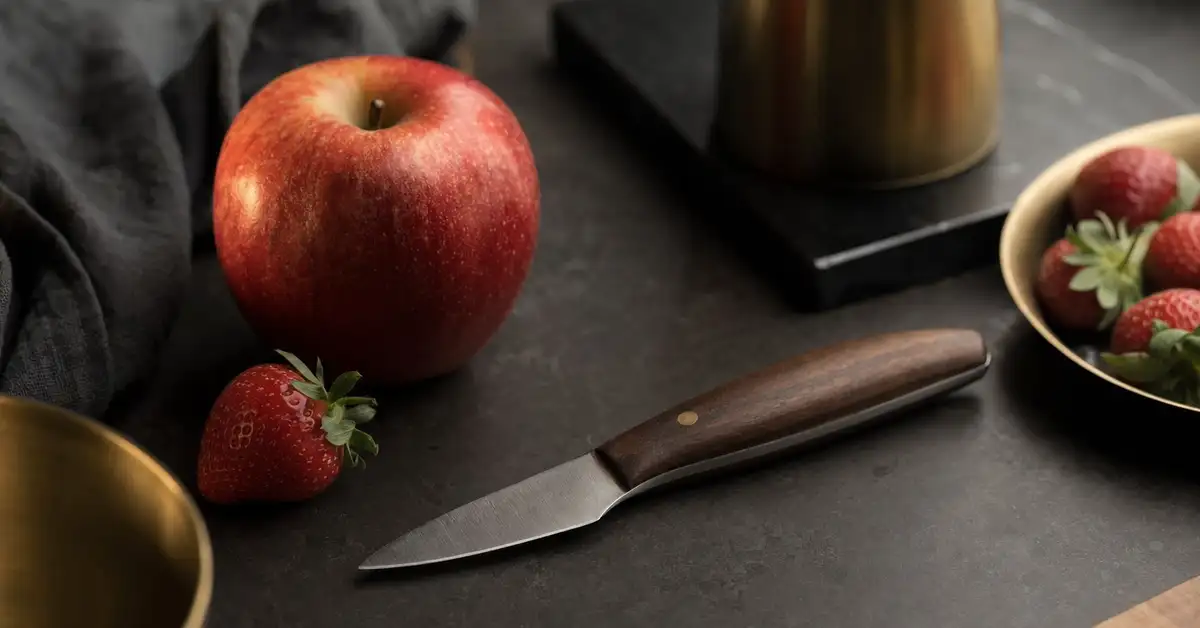
The best paring knives of 2026
1. Mercer Culinary Renaissance Paring Knife
What it is: A narrow, precise blade with a handle comfortable enough for any hand size — the paring knife independent testers keep coming back to.
Best for: An everyday paring knife that does peeling, hulling, slicing and mincing equally well.
Specs: 3.5″ blade; high-carbon German stainless; full tang; textured Santoprene handle; NSF certified.
- Pros: Genuinely sharp and precise out of the box; comfortable for both small and large hands; inexpensive for the performance.
- Cons: Utilitarian looks; softer steel needs periodic honing.
Why we trust it: America’s Test Kitchen’s overall winner in its current paring knife testing, praised for a blade that peels, hulls, slices and minces beautifully.
2. Victorinox Swiss Classic Paring Knife
What it is: An inexpensive Swiss paring knife with a sharp, pointy blade — a long-standing “best buy” pick.
Best for: A second or third paring knife, or anyone who wants excellent value without compromising on sharpness.
Specs: Roughly 3.25″ blade; stamped Swiss stainless steel; grippy textured polypropylene handle; dishwasher-safe.
- Pros: Extremely inexpensive for genuinely sharp, reliable performance; grippy handle; easy to keep a full drawer of these on hand.
- Cons: Basic looks; softer steel dulls faster than the premium picks here.
Why we trust it: America’s Test Kitchen’s Best Buy pick and Wirecutter’s top choice after testing more than 20 paring knives.
3. Wüsthof Classic 3.5-Inch Paring Knife
What it is: A fully forged German paring knife with the same balance and build quality as Wüsthof’s flagship chef’s knives, scaled down.
Best for: Someone who already owns (or plans to own) a Wüsthof Classic chef’s knife and wants a matching, heirloom-quality paring knife.
Specs: 3.5″ blade; forged X50CrMoV15 stainless; full tang, full bolster; triple-riveted POM handle; made in Solingen, Germany; lifetime warranty.
- Pros: Genuinely forged construction and a perfectly balanced handle; streamlined, precise design; makes quick work of peeling and segmenting.
- Cons: Costs more than most paring knives; a bolster some find limits close-in-blade control.
Why we trust it: A repeat pick at Reviewed and other independent testers for its balance and design; specifications verified against Wüsthof’s own documentation.
4. Suisin Inox Paring Knife (3.1″)
What it is: A Japanese specialist paring knife with a beautiful wooden handle and an exceptionally hard, sharp blade — a step up in feel and precision from the everyday picks.
Best for: An experienced cook who wants a more luxurious paring knife and is willing to pay for it.
Specs: Roughly 3.1″ blade; Inox (stainless) Japanese steel; traditional wa-handle in wood; hand-finished edge.
- Pros: Exceptionally sharp and hard steel; refined, comfortable wooden handle; a genuinely elevated everyday-carry feel for detail work.
- Cons: Substantially pricier than the everyday picks; harder steel needs more careful handling and storage.
Why we trust it: America’s Test Kitchen’s Upgrade Pick in its current paring knife testing, credited with a more luxurious user experience and an exceptionally sharp, hard blade.
5. Shun Classic 3.5″ Paring Knife
What it is: A Damascus-clad Japanese paring knife with the same VG-MAX steel and hand-honed edge as Shun’s larger blades.
Best for: Detail work — peeling, coring, trimming and decorating — where a keen, precise edge matters more than brute durability.
Specs: 3.5″ blade; VG-MAX cutting core with 34-layer stainless Damascus cladding per side; hand-sharpened 16-degree double bevel; D-shaped Pakkawood handle. Made in Seki City, Japan.
- Pros: Razor-sharp precision straight out of the box; comfortable D-shaped handle for both left- and right-handed cooks; genuinely beautiful Damascus finish.
- Cons: Premium pricing for a small knife; the harder edge wants careful hand-washing and storage, like other Shun knives.
Why we trust it: Specifications independently verified against Shun/Kai USA’s own product documentation; a consistently well-reviewed premium Japanese pick.
6. Misen Paring Knife
What it is: A direct-to-consumer paring knife that pairs harder Japanese-style steel with a modern handle, at a price between the budget and premium picks here.
Best for: Cooks who already like Misen’s chef’s knife and want a matching paring knife with the same edge retention.
Specs: Roughly 3.5″ blade; high-carbon Japanese AUS-10 stainless steel; full tang; POM handle.
- Pros: Heavy-duty edge retention in a lightweight blade; strong balance of durability and precision; good value against premium Japanese pricing.
- Cons: Newer brand than the heritage names on this list; sold knife-only, no sheath included as standard.
Why we trust it: Widely cited alongside Misen’s well-reviewed chef’s knife as an affordable, high-quality overall pick in current paring knife roundups.
7. OXO Good Grips 3.5″ Paring Knife
What it is: A tapered stainless blade on OXO’s signature soft, non-slip handle — a favorite for anyone who finds slim paring knife handles uncomfortable.
Best for: Cooks with arthritis, hand-strength limitations, or anyone who simply prefers a cushioned grip over a slim wood or polymer handle.
Specs: 3.5″ tapered stainless steel blade; soft, contoured, non-slip handle; overall length about 7″; dishwasher-safe.
- Pros: Genuinely comfortable, cushioned handle that stays secure even when wet; sharp out of the box; holds an edge well with moderate use.
- Cons: Some find the handle a little thick or slim in different ways than they expect; not a showpiece knife.
Why we trust it: Specifications verified against OXO’s own product listing; a consistent favorite in owner reviews for comfort and edge retention.
8. Wüsthof Classic Bird’s Beak Paring Knife (2.75″)
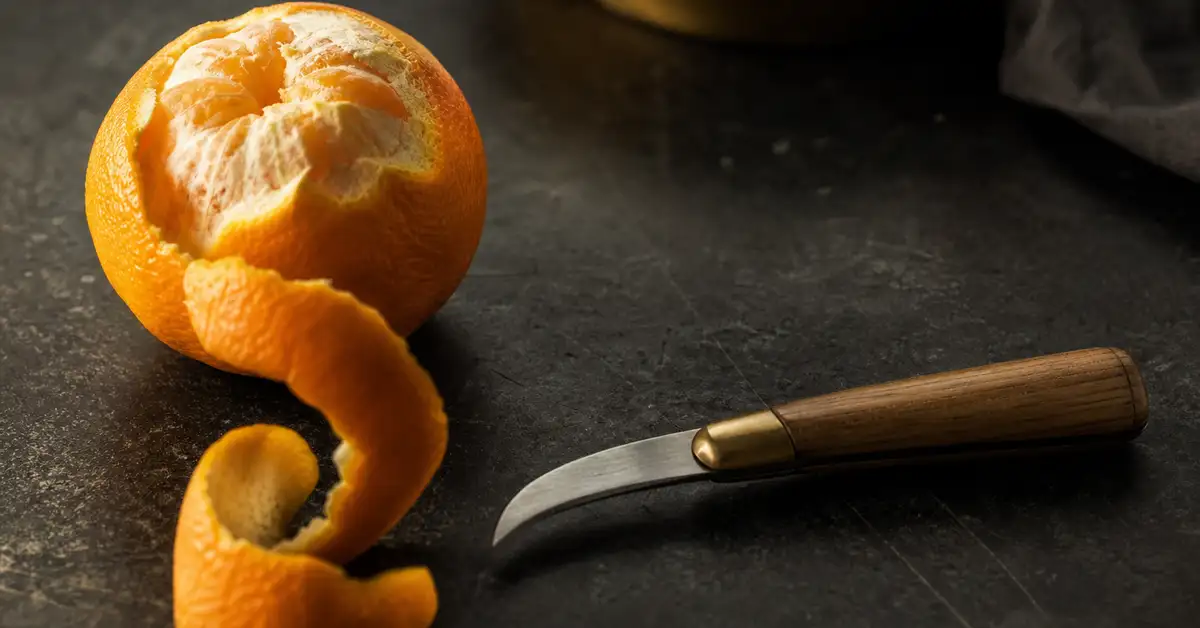
What it is: A small, inward-curved specialist blade built specifically for peeling and shaping rounded fruits and vegetables.
Best for: Turning vegetables, peeling asparagus, deveining shrimp, or other detail work where a straight paring blade fights the curve of what you’re cutting.
Specs: 2.75″ curved blade; forged high-carbon stainless steel; full tang, triple-riveted handle; made in Solingen, Germany.
- Pros: The curved edge follows round produce far more naturally than a straight blade; genuine forged Wüsthof construction; a specialist tool that’s genuinely useful, not a gimmick.
- Cons: A one-trick specialty blade, not a replacement for a standard paring knife; smaller pool of buyers means less price competition.
Why we trust it: Specifications verified against Wüsthof’s own current product listing; bird’s beak blades are a recognized specialist category recommended by cutlery specialists for peeling and detail tasks.
Paring knives compared
| Knife | Best for | Blade / build | Price |
|---|---|---|---|
| Mercer Renaissance | Best overall | High-carbon German stainless | $ |
| Victorinox Swiss Classic | Best budget | Stamped Swiss stainless | $ |
| Wüsthof Classic 3.5″ | Best forged | Forged X50CrMoV15 | $$ |
| Suisin Inox 3.1″ | Best upgrade | Japanese Inox steel, wood handle | $$$ |
| Shun Classic 3.5″ | Best Japanese | VG-MAX Damascus | $$$ |
| Misen Paring | Best modern value | AUS-10 Japanese stainless | $$ |
| OXO Good Grips 3.5″ | Best ergonomic grip | Tapered stainless, soft handle | $ |
| Wüsthof Bird’s Beak 2.75″ | Detail & specialty tasks | Forged, curved blade | $$ |
How to choose a paring knife
- Blade length: 3 to 3.5 inches is the sweet spot most independent testers land on — long enough to be useful, short enough to stay controlled and precise.
- Straight vs bird’s beak: A straight blade is the versatile everyday choice. A curved bird’s beak blade is a specialist upgrade for peeling and shaping round produce — genuinely useful if you cook a lot of fruit and vegetable prep, unnecessary if you don’t.
- Steel and price: Budget stainless (Victorinox, Mercer) is easy to sharpen and perfectly capable for daily use. Harder Japanese steel (Shun, Suisin, Misen) holds an edge longer and cuts more cleanly but costs more and needs gentler handling.
- Handle comfort: If you have hand-strength or grip concerns, a cushioned handle like OXO’s Good Grips line will be more comfortable for extended peeling and prep sessions than a slim wood or polymer handle.
- Already shopping for a full lineup? See our best chef’s knives or our best knife sets to build out the rest of your kitchen.
Frequently asked questions
What is the best paring knife in 2026?
For most home cooks, the Mercer Culinary Renaissance is the best all-round pick — independent testers rate it highly for peeling, hulling and slicing at a low price. If you want a genuine step up in feel and precision, the Suisin Inox is our upgrade pick.
What length paring knife should I buy?
3 to 3.5 inches covers nearly every task. Shorter blades (2.5–3 inches) suit very fine detail work, while a bird’s beak paring knife around 2.5–2.75 inches is a specialist choice for peeling round produce.
What is a bird’s beak paring knife used for?
Its inward-curved blade follows the natural curve of round fruits and vegetables, making it easier to peel apples, turn vegetables, or shape decorative garnishes than a straight paring knife. It’s a specialist tool, not a replacement for a standard paring knife.
Do I need more than one paring knife?
One good all-purpose paring knife covers most home cooking. A second, specialty blade like a bird’s beak paring knife is worth adding only if you do a lot of peeling or decorative vegetable work.
Are expensive paring knives worth it?
Not necessarily. A budget pick like the Victorinox Swiss Classic performs excellently for daily use. Premium Japanese paring knives like the Suisin or Shun offer a genuinely sharper, more refined experience, but the jump in performance is smaller than the jump in price — buy one because you’ll enjoy it, not because you need it.
The verdict
For nearly everyone, the Mercer Culinary Renaissance is the easiest recommendation — sharp, comfortable and inexpensive. Want to spend even less? The Victorinox Swiss Classic. Prefer forged German build quality to match a Wüsthof chef’s knife? The Wüsthof Classic 3.5-inch. Ready for a genuine upgrade in feel? The Suisin Inox or the Shun Classic. And if you peel a lot of round produce, add the Wüsthof Bird’s Beak as a specialist second blade. Whichever you choose, see our best chef’s knives for the rest of your lineup.
Sources & method: Rankings and testing insight drawn from America’s Test Kitchen, Wirecutter and Reviewed; specifications independently verified against manufacturer documentation (Mercer Culinary, Victorinox, Wüsthof, Shun/Kai USA, Misen, OXO, Suisin). Screened against the US Consumer Product Safety Commission (CPSC) recall database; no active recalls found for the recommended knives or brands as of 2026. We don’t physically test knives ourselves — here’s how we choose.