Transparency first: This guide contains affiliate links. If we’re enrolled in an affiliate program, we may earn a commission at no extra cost to you — it never affects how we research or rank. Read our full affiliate disclosure policy.
The board under your knife matters almost as much as the knife itself — cut on the wrong surface and even a great edge dulls fast. Below are 12 boards worth buying in 2026, chosen specifically for how kind they are to a knife edge, from an inexpensive everyday plastic pick to a genuine forever-board splurge. If you haven’t settled on a knife yet, see our best chef’s knives or our best Japanese knives first — the board only matters once you’ve got something worth protecting.
How we chose
We’re a research-led site, not a testing lab — we don’t run our own edge-retention rigs. We built this list from current 2025–2026 testing at Serious Eats, America’s Test Kitchen, Good Housekeeping, Reviewed and The Spruce Eats, plus specialist knife-care commentary, and verified every product independently as currently sold through the manufacturer or a major US retailer. Every pick is screened against the US CPSC recall database — no active recalls found for any of these boards or brands as of 2026. Prices move, so we use bands — $ (budget) to $$$$ (splurge) — and send you to the retailer for today’s number. Here’s our full method.
Why board material matters for your edge
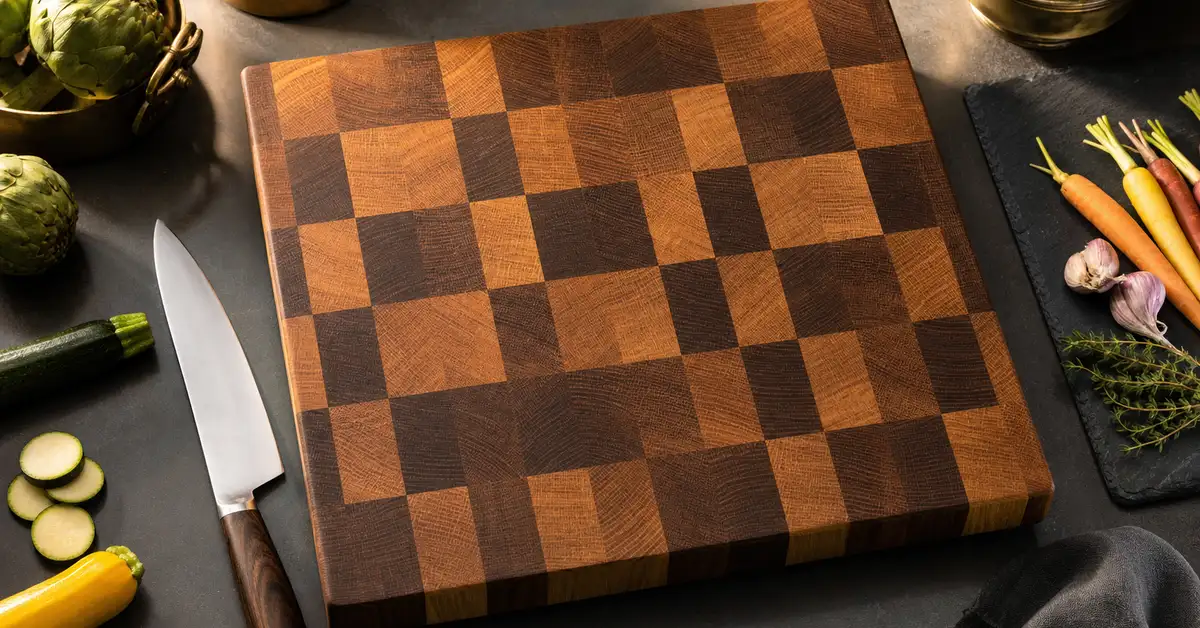
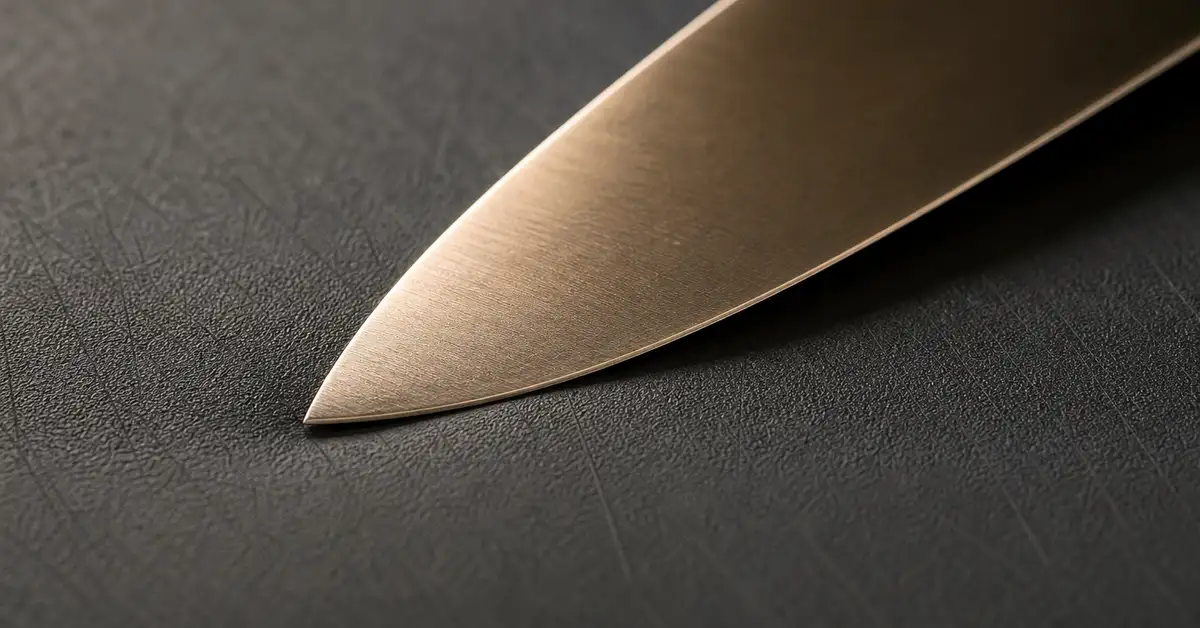
A sharpened edge tapers to a few microns wide, and every cut puts real, localized pressure on that thin strip of steel. Cut on a surface softer than your knife and the board gives slightly, spreading that pressure out like a shock absorber. Cut on a surface as hard as or harder than your knife — glass, marble, granite, stone countertops — and there’s nowhere for that force to go except back into the edge, which is why those surfaces dull a knife almost instantly and can even chip it. That’s the whole logic behind every recommendation below: end-grain and edge-grain hardwoods, synthetic rubber, and modern fiber composites all give slightly under the blade, while glass, marble and stone don’t. Bamboo sits in an odd middle ground — it’s technically a grass, not a wood, and its natural silica content makes it noticeably more abrasive to an edge than maple or walnut, so we treat it as a serving or secondary board here, not a primary chopping surface.
The best cutting boards of 2026
1. OXO Good Grips Plastic Utility Cutting Board
What it is: A long-standing test-kitchen favorite among plastic boards — hard enough to resist deep gouging, soft enough to stay gentle on an edge, and dishwasher-safe.
Best for: An everyday raw-meat-and-fish board, or a first board for any kitchen on a budget.
Specs: 14.7″ x 10.3″; double-sided (smooth side for produce, grooved side for meat); non-porous high-density plastic; drip-catching corners; non-slip feet; dishwasher-safe.
- Pros: Genuinely gentle on edges for a plastic board; dishwasher-safe for easy sanitizing; inexpensive enough to replace once scarred.
- Cons: Less premium feel than wood; needs replacing sooner than a hardwood or composite board.
Why we trust it: A recurring pick in current plastic-board testing, specifically praised for resisting deep cuts while staying gentle enough on blades that testers who use high-end knives have no reservations recommending it.
2. Epicurean All-In-One Cutting Board
What it is: A thin, lightweight board made from Richlite — a resin-infused paper composite that’s non-porous, dishwasher-safe, and needs no oiling at all.
Best for: A health- and eco-conscious cook who wants wood-like knife protection without the maintenance ritual.
Specs: 14.5″ x 11.25″; Richlite fiber composite (paper + resin); non-slip feet; built-in juice groove; NSF-certified for food contact; GREENGUARD Gold certified for low VOC emissions; dishwasher-safe.
- Pros: Genuinely knife-friendly despite being non-wood; thin and light for easy storage; zero oiling required.
- Cons: Less substantial feel than a thick wood block; smaller sizes limit it for big prep sessions.
Why we trust it: Won a 2026 Good Housekeeping Kitchen Award, with testers calling it thin, durable, easy to clean, and their go-to carving and cutting board.
3. Material Kitchen reBoard
What it is: A modern plant-based board made from renewable sugarcane and recycled plastic scraps, built to resist deep scarring while staying gentle on edges.
Best for: A cook who wants a knife-friendly everyday board without a traditional plastic or wood look.
Specs: Renewable sugarcane and recycled plastic composite; non-porous; dishwasher-safe; multiple sizes and colors; grippy surface designed to stay put on the counter.
- Pros: Genuinely resists deep scratches over months of use; dishwasher-safe; distinctive, modern look.
- Cons: Newer brand with less long-track-record editorial coverage than legacy names; premium pricing for a plastic board.
Why we trust it: Named a top plastic pick in current cutting-board testing, praised for its grippy, knife-gentle surface and resistance to deep scarring.
4. Sonder LA Winsome Acacia Cutting Board
What it is: An edge-grain acacia board with a deep juice groove on one side and a built-in sorting compartment on the other — a genuine prep-to-serving crossover piece.
Best for: Cooks who want one attractive board that handles daily prep and doubles as a charcuterie or carving board.
Specs: 16″ x 12″ x 1.5″; edge-grain acacia wood; 6 lbs; juice groove on one face, sorting well (“cracker well”) on the reverse.
- Pros: Genuinely dual-purpose (prep and serving); moderately hard, forgiving wood; strong editorial backing.
- Cons: Needs hand-washing and periodic oiling like any wood board; acacia’s exact hardness varies somewhat by piece.
Why we trust it: Named the best overall cutting board of 2026 by Reviewed, cited for its sturdy construction, deep juice groove, and multi-use design.
5. Shun Large Hinoki Cutting Board
What it is: A traditional Japanese cypress board — noticeably softer than maple or walnut, which makes it exceptionally gentle on thin, hard Japanese edges.
Best for: Owners of Japanese knives (or any hard, thin-edged blade) who want the gentlest surface available and don’t mind a board that shows marks more easily.
Specs: 17.75″ x 11.75″ x 0.75″ (large size, other sizes available); hinoki (Japanese cypress), medium-soft wood; reversible; FSC-certified; hand-wash only, not dishwasher-safe; about 2 lbs.
- Pros: Exceptionally gentle on hard, brittle edges; light and easy to handle; naturally mild antibacterial properties.
- Cons: Softer wood means more visible gashes over time; needs the same hand-wash-and-dry care as any wood board.
Why we trust it: Specialist and editorial coverage consistently flags hinoki as remarkably gentle on knives, with barely any dulling even after repeated heavy use.
6. Sani-Tuff NSF Rubber Cutting Board (12″ x 18″)
What it is: A US-made, NSF-certified synthetic rubber board built for professional kitchens — widely considered one of the single gentlest surfaces available for a knife edge.
Best for: A serious knife owner who prioritizes edge protection over looks and doesn’t mind an industrial aesthetic.
Specs: 12″ x 18″, available in multiple thicknesses (typically 0.5″–1″); high-density NSF-certified synthetic rubber; anti-microbial rubber compound; non-slip; resists cracking, splintering and swelling.
- Pros: Among the most edge-friendly surfaces you can buy; extremely durable; can be resurfaced by light sanding.
- Cons: Utilitarian, commercial look; heavier and less attractive on a counter than wood.
Why we trust it: A long-time professional-kitchen staple, specifically recommended by knife specialists as one of the best materials available for preserving edge sharpness.
7. Hasegawa FRK / FSR Soft Rubber Cutting Board
What it is: A Japanese soft-rubber board with an internal wood core — lighter than it looks, rigid where it needs to be, and exceptionally soft where the blade meets it.
Best for: Owners of premium Japanese knives who want the gentlest possible surface and don’t mind paying for it.
Specs: Sizes vary (commonly around 14″×8″ up to 20″+); soft synthetic surface over a wood core that reduces overall weight; dishwasher-tolerant on some models (check the specific one); made in Japan.
- Pros: Specialist retailers describe it as among the best boards for edge longevity; grippy, food-safe surface; lighter than a solid rubber slab thanks to the wood core.
- Cons: Very heavy-handed cooks may find the surface too soft; pricier than a domestic plastic board.
Why we trust it: Specialist Japanese-knife retailers consistently recommend Hasegawa’s soft-rubber boards specifically for their edge-preserving qualities on hard, thin steel.
8. John Boos R-Board Series Maple Cutting Board (R03)
What it is: An edge-grain maple board from one of the most established names in American butcher blocks — substantial, NSF-certified, and genuinely gentle on knives.
Best for: A cook who wants Boos quality and reliability without the size or cost of a full end-grain block.
Specs: 20″ x 15″ x 1.5″; 12 lbs; edge-grain North American hard maple; reversible; recessed finger grips; NSF-certified; made in the USA.
- Pros: Genuinely gentle on edges thanks to maple’s forgiving hardness; reversible for two-sided use; heritage brand with strong reputation.
- Cons: Needs hand-washing and regular oiling; heavier than plastic or composite boards.
Why we trust it: A recurring pick in current wooden-board testing, praised for durability, stability and consistently gentle treatment of knife edges.
9. Teakhaus Traditional Cutting Board 107
What it is: A large, edge-grain FSC-certified teak board that’s been a long-running “best heavy-duty” pick in editorial testing, known for staying put and staying flat under serious daily use.
Best for: A big kitchen or a cook who preps in volume and wants one large, stable, reversible board that can take real abuse.
Specs: 24″ x 18″ x 1.5″; 15 lbs; edge-grain FSC-certified teak; reversible; hand grips; natural oil content resists moisture.
- Pros: Exceptionally stable under heavy use; reversible; teak’s natural oils reduce how often it needs conditioning.
- Cons: Teak’s natural silica content makes it a touch more abrasive on edges than maple or walnut — a fair trade for cooks who prioritize durability, worth knowing for edge purists.
Why we trust it: Has been America’s Test Kitchen’s top wood cutting board pick since 2013, praised for stability, water resistance, and a reversible, knife-friendly surface.
10. Virginia Boys Kitchens Walnut End-Grain Cutting Board
What it is: A US-made end-grain walnut block with a carved juice groove — walnut is slightly softer than maple, making it even gentler on an edge while still standing up to heavy carving.
Best for: Cooks who carve roasts or smoked meats often and want a generous juice groove alongside genuine edge protection.
Specs: Sizes range from compact (8″x12″) to extra-large (24″x18″x1″); end-grain black walnut; kiln-dried; carved juice groove; made in the USA.
- Pros: Walnut’s lower hardness than maple makes it especially forgiving on edges; genuine end-grain construction; handsome dark-wood aesthetic.
- Cons: Larger sizes are heavy and pricier; standard wood-board maintenance (hand-wash, oil regularly).
Why we trust it: Consistently recommended in current wood cutting board coverage as a strong end-grain contender, prized specifically for walnut’s forgiving hardness relative to knife edges.
11. The Boardsmith Maple End Grain Cutting Board (Carolina Cut)
What it is: A handcrafted, heavyweight end-grain maple block from a specialist American board-maker — the board enthusiasts describe as a genuine “forever board” for a serious knife collection.
Best for: A dedicated home cook with the counter space and budget for one exceptional, long-term investment board.
Specs: 16″ x 22″ x 2″ (Carolina Cut size); solid hard maple, end-grain construction; optional recessed finger grooves; food-safe oil finish.
- Pros: Editorial testers report barely noticeable dulling even after repeated heavy use; substantial, stable mass; genuinely built to last decades.
- Cons: Heavy and large — needs real counter space; the most expensive board on this list; requires committed hand-wash-and-oil maintenance.
Why we trust it: A recurring top pick in current end-grain wooden board testing, specifically praised for how little it dulls a sharp chef’s knife over repeated use.
12. Totally Bamboo 3-Piece Cutting Board Set
What it is: An affordable, attractive set of three laminated bamboo boards — genuinely good value, but one we recommend for serving and light tasks rather than daily chopping with your best knives.
Best for: Extra boards for cheese, bread, sandwich assembly, or serving — paired with a more edge-friendly board for actual prep.
Specs: Three sizes, roughly 13″x9.5″, 11″x8.5″ and 8″x6″; laminated bamboo; thin, lightweight profile; hand-wash recommended.
- Pros: Very affordable for three boards; attractive, eco-friendly branding; good for light serving and slicing tasks.
- Cons: Bamboo’s natural silica content is more abrasive on edges than hardwood or plastic — not our pick for daily heavy chopping with good knives.
Why we trust it: Positively reviewed for its attractive design and value as a light-duty and serving set, with the knife-specific caveat noted consistently across specialist commentary.
Cutting boards compared
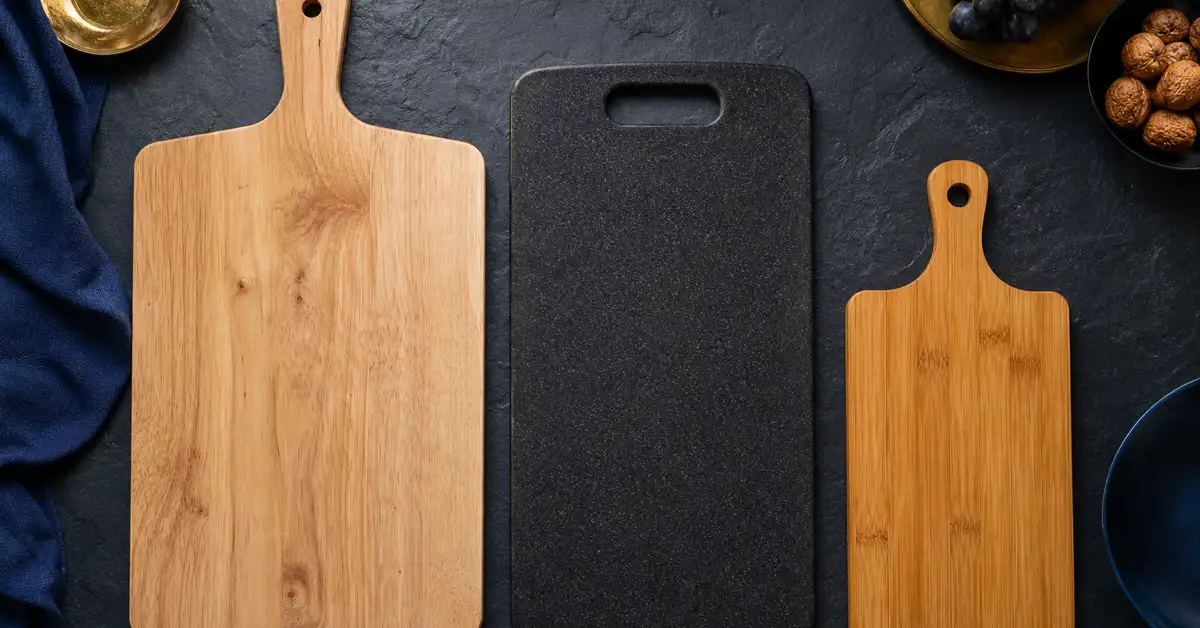
| Board | Material | Edge-friendliness | Dishwasher-safe? | Price |
|---|---|---|---|---|
| OXO Good Grips Utility | HDPE plastic | Good | Yes | $ |
| Epicurean All-In-One | Richlite composite | Good | Yes | $ |
| Material reBoard | Plant-based plastic | Good | Yes | $ |
| Sonder LA Winsome | Edge-grain acacia | Good | No | $ |
| Shun Large Hinoki | Hinoki (soft wood) | Excellent | No | $$ |
| Sani-Tuff NSF Rubber | Synthetic rubber | Excellent | No | $$ |
| Hasegawa FRK/FSR | Soft rubber + wood core | Excellent | Varies | $$–$$$ |
| John Boos R03 | Edge-grain maple | Very good | No | $$ |
| Teakhaus 107 | Edge-grain teak | Good | No | $$ |
| Virginia Boys Walnut | End-grain walnut | Very good | No | $$$ |
| Boardsmith Carolina Cut | End-grain maple | Very good | No | $$$$ |
| Totally Bamboo Set | Laminated bamboo | Fair (secondary use) | No | $ |
How to choose a cutting board
A few honest questions narrow the field faster than any spec sheet:
- One board or several? Most editorial guidance now recommends a two-board minimum: a dishwasher-safe plastic or composite board for raw meat and fish, and a wood or rubber board for vegetables, fruit and cooked food.
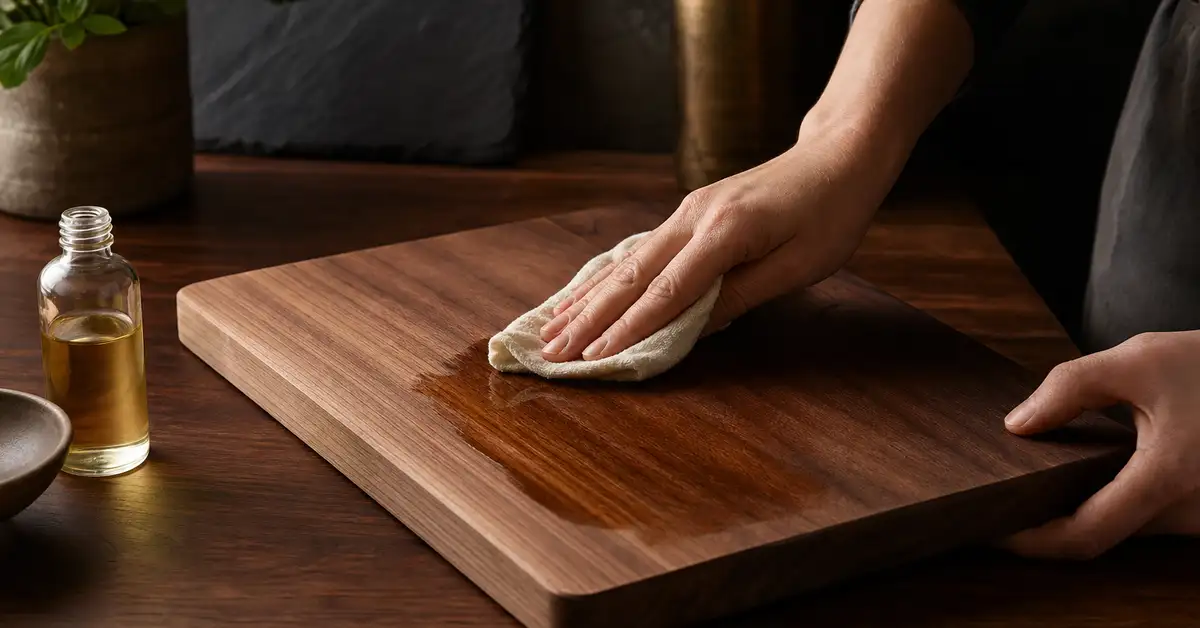
- How much maintenance will you actually do? Wood boards need hand-washing and regular oiling to stay flat and knife-friendly — see our full wood board care routine for the specifics. Plastic and composite boards go straight in the dishwasher and need no oiling at all — be honest about which routine you’ll keep up. Still deciding between the two materials? See our full wood vs plastic comparison, including what the food-safety research actually says about bacteria.
- Do you own hard, thin Japanese knives? If so, lean toward hinoki, synthetic rubber, or a softer wood like walnut — these give the most under the blade and are the most forgiving of a brittle, acute edge.
- How much counter space and budget do you have? A large end-grain block is the ultimate edge protector, but it’s heavy, needs real storage space, and costs the most. A composite or plastic board delivers most of the edge-protection benefit in a fraction of the size and price.
Frequently asked questions
What’s the best cutting board material for keeping knives sharp?
Synthetic rubber and soft woods like hinoki are the gentlest on an edge, followed closely by maple, walnut, and modern fiber composites like Richlite. Avoid glass, marble, granite and other very hard surfaces entirely if edge retention matters to you, and treat bamboo as a secondary or serving board rather than your main chopping surface.
Is end-grain or edge-grain wood better for knives?
Both are good choices. End-grain boards let the blade pass between fibers rather than across them, which is the traditional theory behind why butcher blocks are gentle on edges. In practice, independent testing has found well-made edge-grain boards perform similarly well, so the bigger factor is choosing a forgiving wood species (maple or walnut) over a harder one, and maintaining it properly either way.
Are bamboo cutting boards bad for knives?
Bamboo isn’t ideal as a primary chopping surface for good knives. It’s technically a grass, and its natural silica content makes it more abrasive on an edge than hardwoods like maple or walnut. Bamboo boards are still fine for serving, bread, cheese or light tasks — just pair them with a more edge-friendly board for daily prep.
Can I put my cutting board in the dishwasher?
Plastic, composite (like Richlite) and most rubber boards are generally dishwasher-safe — check the specific manufacturer’s instructions. Wood boards should never go in the dishwasher; the heat and prolonged moisture will warp, crack or split them. Hand-wash wood boards, dry them promptly, and oil them regularly instead.
Do I need more than one cutting board?
Most food-safety and knife-care guidance recommends at least two: a dishwasher-safe plastic or composite board dedicated to raw meat and fish, and a separate wood or rubber board for vegetables, fruit, bread and cooked food. This limits cross-contamination and keeps your best, most knife-friendly board out of harsh raw-meat sanitizing cycles.
Why is glass such a bad cutting surface?
Glass is far harder than any knife steel and doesn’t give at all under a blade, so the full force of every cut goes straight back into the edge — dulling it almost immediately and risking chips on a hard, thin edge. Glass is also slippery underfoot for a knife, which increases the risk of a slip, and it can shatter if dropped. Use glass boards for serving, never for chopping.
The verdict
If you want one everyday board that just works, the OXO Good Grips or Epicurean All-In-One deliver genuine edge protection at a low price and no maintenance. For a versatile do-everything wood board, the Sonder LA Winsome or John Boos R03 are the safest picks. Owners of Japanese knives should look hard at the Shun Hinoki or a synthetic rubber board like Sani-Tuff or Hasegawa. And if you’re ready to invest in a forever board, The Boardsmith’s Carolina Cut or a Virginia Boys Kitchens walnut end-grain block will outlast most of the knives you’ll ever own. Whatever you choose, keep glass and marble for serving only — see our chef’s knife guide for the rest of what keeps a good knife working well for years.
Sources & method: Performance and ranking claims drawn from Serious Eats, America’s Test Kitchen, Good Housekeeping, Reviewed and The Spruce Eats’ 2025–2026 testing; material-science context on board hardness and edge mechanics from specialist knife-care commentary; specifications independently verified against manufacturer and retailer product pages (The Boardsmith, John Boos, Teakhaus, Sonder LA, Virginia Boys Kitchens, Shun/Kai USA, Epicurean/Richlite, NoTrax/Sani-Tuff, Hasegawa, OXO, Material Kitchen, Totally Bamboo). Screened against the US Consumer Product Safety Commission (CPSC) recall database; no active recalls found for the recommended boards or brands as of 2026. We don’t physically test cutting boards ourselves — here’s how we choose.